Written by Maria Francesca Ficarra
In a world that increasingly feels (or rather is) one breath away from disaster, we are instinctively driven towards the idea of certainty, searching for means of escapism, and what better comfort there is than the rose-tinted memories of 2016?
At the beginning of the year we witnessed a surge in 2016 related content: many social media users shared their old photos and some even recreated them . 2016 memes also at their moment, together with iconic songs from that year such as “Work” (Rihanna), “Closer” (The Chainsmokers ft. Halsey), and “Love Yourself” (Justin Bieber). Disoriented by the realization that ten years have already passed, we find ourselves looking with indulgence at a time that, from our vantage position, we do not hesitate to call “happy”.
As Professor Janelle Wilson explained when interviewed by Fortune, it would be better to say that back then the world was “on the cusp of things, but not fully thrown into the dark days that were to come.”
Zooming in on the trend
The revival of the 2016 aesthetic in 2026 has been steered by various factors: the arrival of the new year, nostalgia-driven marketing campaigns (and in particular Kylie Cosmetics “King Kylie”), the airing of the last season of Stranger Things, and many more.
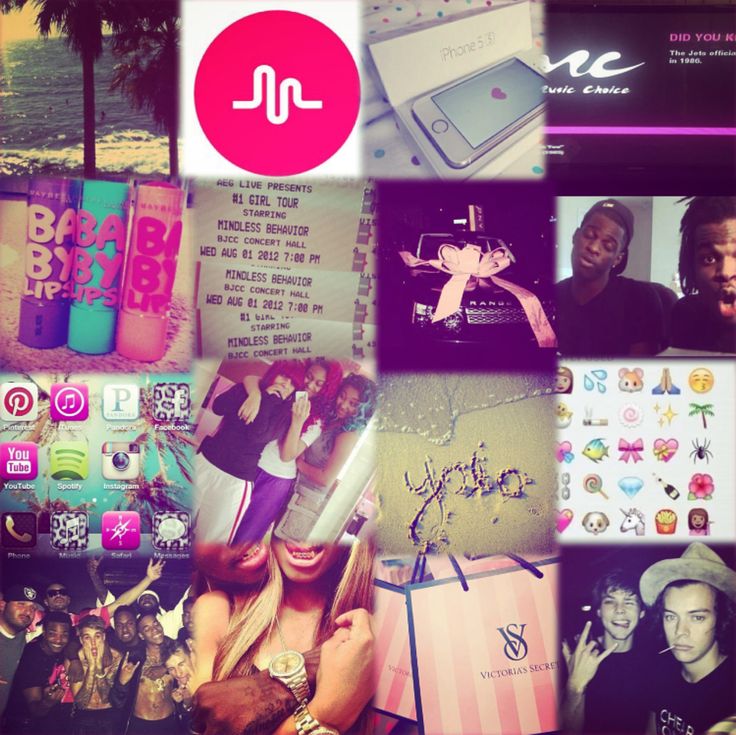
This prompted many of us to sweep off the dust from middle school memories and look back at the Snapchat filtered photos and unnaturally saturated LA landscapes that invaded Tumblr, blasting our old 2016 playlists, and wondering how we went from Musical.ly to TikTok.
And how to forget that, in this case, “rosy memories” isn’t just an expression but an accurate description of the most popular Instagram filter at the time, a hue so iconic that its return is all that it takes to bring us back to that period.
Back to the root
To better understand this revival, we must touch on Early Web 2.0 Nostalgia (or 2010s Internet Nostalgia) – a nostalgic trend that “involves the sentimental romanticization of internet culture, social media trends, and artifacts from the late 2000s through the late 2010s”.
2016 plays quite a peculiar role within this framework.
The “immaculate vibes” consecrated this year as the “final good year” before spiraling down into a decade that many perceive as characterized by socio-political and cultural decline. The widespread consensus is that what people miss the most is the feeling of community and cohesion, fostered by shared participation in challenges (“Bottle-flip challenge” and “Mannequin challenge”) and interactive games, such as Pokémon Go.
Social media and fashion: a quest for something genuine
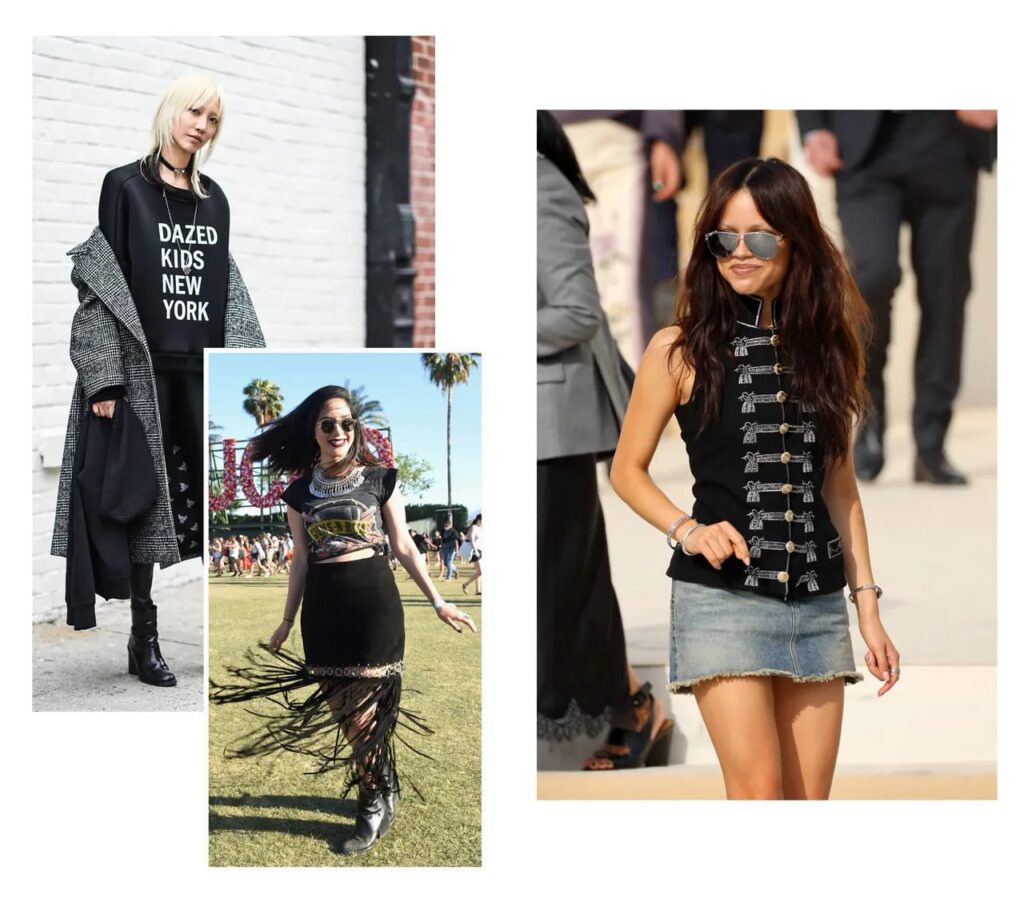
Another aspect that contributes to the idealization of 2016 is a longing for what social media used to be. TikTok creator and brand strategist Joel Marlinson explains the role of “authenticity” in this wave of nostalgia: the algorithm wasn’t what it is today, there weren’t overly curated photo-dumps, and, overall, it lacked the performative component that has characterized social media for a while now. Such considerations are echoed by many who remember how people in 2016 were having genuine fun with their identities, especially through fashion and the popularization of subcultures like “skater” and “emo” which made items such as chokers and Vans mainstream.
While the last few years saw a rapid and widespread emergence of niche aesthetics that gather bubbles of followers and often translate into fashion microtrends, Katy Lubin ( VP of brand and communications at Lyst) notes that “the landscape is now far more fragmented, and feels a little darker; where we once had thriving, cohesive communities online, we now see meaningful fashion pieces appropriated, diluted, and exploited by brands mining for relevance before the algorithm moves on.”
Julie Sariñana, creator of Sincerely Jules, recalls the impact that 2016 had on fashion saying that “That era encouraged people to dress for themselves, not just for trends or algorithms. […] It feels refreshing to revisit a time when getting dressed was about how something made you feel, not just how it photographed.”
However, not all that glimmers is gold and it’s relevant to note that not everyone appreciated this revival and celebration of the past decade. In fact, many have criticized this trend pointing out how it stripped all the problematic aspects of that year, glossing over its turmoils and toxicity. 2016 is the year when politics entered our algorithms, (sparking debates and creating greater divides), we witnessed a peak in terrorist attacks, and the Zika epidemic spread more and more. These events drastically shaped our worldview, contributing to the idea that things would never be the same.
To summarize it, quoting Dani DiPlacido’s article on Forbes: “the 2016 trend looks back at an internet that was just beginning to erode, but still retained an earnest innocence, in which posting a heavily filtered picture of an overpriced coffee was the height of sophistication”.
Some closure?
Honestly, I perfectly get the sentiment behind the revival, and if one were to ask me, I would immediately say that 2016 was an amazing year, or so it seemed to a twelve-year-old. I believe that what we truly miss is not that specific period in time, but rather the perception of freedom and hope that accompanied it: most millennials and Gen Z were free of responsibilities and, despite the tragedies and tensions that characterized that year, we still dared to hope and cling to the idea that things were ultimately destined to get better. As the feeling of exhaustion that comes with growing up adds up to a geopolitical context that has increasingly worsened, such a carefree attitude seems like a mirage.
We now look at 2016 as something extremely close to us with the almost bitter realization that we are fundamentally changed, or that at least the world around us has changed. Taking concrete steps to contribute to a better future is difficult if we struggle envision it, and the only source of escapism conceded are the memories of the past. And yet, this dive into nostalgia can still be more than a mere palliative, but rather turn it into a source of motivation and inspiration that can drive a positive change.