How do we measure time? How do we measure moments and memories and a life lived? I keep a counter, a visual one. It is a mental list of all the apartments I have visited in my life. From my grandma’s house with the dark green oven tiles and the hidden sweets in the pantry, to the boy’s room where I lost my virginity.
Of course, we meet up and make hard choices in cafés, on benches, in lecture halls, in hospitals. But visiting a person’s home is different. It is intimate, almost naked. A good friend of mine moved a few years ago, and only this summer did I have the chance to visit her new apartment. After a night out together, I had to pee, and her place was close, so we walked there together. At some point before entering someone’s home, especially together and spontaneously, you can feel the other person becoming aware of what they are about to share. They start saying things like, “I’m sorry, I’ve been working so much, it’s going to be messy,” or “I haven’t had time to decorate yet, it’s not finished.” Opening your door to another person means inviting someone into your world, into your soul. When my friend told me last summer that she “hadn’t cleaned in a while,” I was curious to see what that meant to her. It was fine, but it still meant a lot to her to warn me. Our personalities, our secrets, our messes are tied to our homes. There can be shame, pride, or excitement in sharing such a personal space.
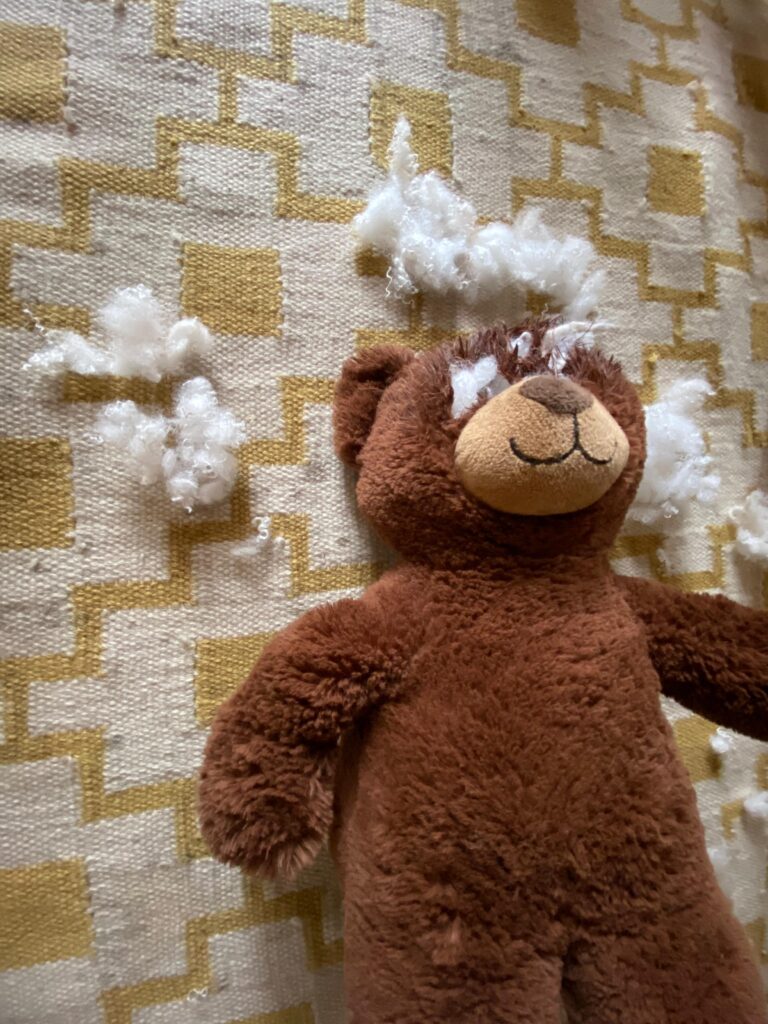
I have mental maps of Munich, Berlin, and Milan. They are colorful and fluid, and every cross marks an apartment I have visited, whether it was a friend’s place, a house party, or a group meeting. Children’s birthdays and playdates are also part of this map. I have been carrying these apartments with me from a young age, and sometimes I return to them in my dreams. I spoke to a friend about this, and she feels similar. Sometimes she walks down the street of her first shared flat and looks up to her old window, thinking about the roommates she lived with and the worn-out couch in the living room.
I remember these places with every part of my body. There is this distinct smell of a friend’s apartment. He is a man who lives with another man, and they don’t open the windows. There is his mini basketball hoop attached to his door, a gift I gave him for Christmas one year. He once told me that he connects the two flats he has lived in with the two relationships he’s had. With his first girlfriend, he spent most of his time in a flat in Wedding, an isolated place in the northern part of Berlin. After they broke up, he moved to Charlottenburg, his dream neighborhood. That is where he met his second girlfriend. She decided much of how he designed his room, so her personality lingers there too.
When I moved to Berlin in 2021 for my bachelor’s degree, I painted my room in two shades of purple. It had been my dream since childhood to live in a purple room, but my parents would not allow it. The friend who helped me move painted the room with me the day after we arrived. Halfway through, we realized there was not enough paint. I asked my roommate’s parents to bring us another bucket of white. We mixed what was left, and my room ended up half dark purple and half light. My friend left her mark by painting a small flower in one corner, and it is still there.
Before I moved in, the apartment had belonged to an elderly woman who had died, though not in the apartment. Until I moved out, we called it our “granny palace.” Much of her presence remained. We kept and used many of her things every day: her cutlery, her wooden furniture, the pink tiles she had chosen for the kitchen. My roommate and I made the place our own together. Now, five years later, two other girls live there. They probably think about us in the same way, noticing the flower on the wall and wondering why the room is painted in two different shades. The fridge is still there, like in so many student apartments in Germany, covered in stickers and magnets that capture what defined our time there: festival flyers, political initiatives, takeout menus.
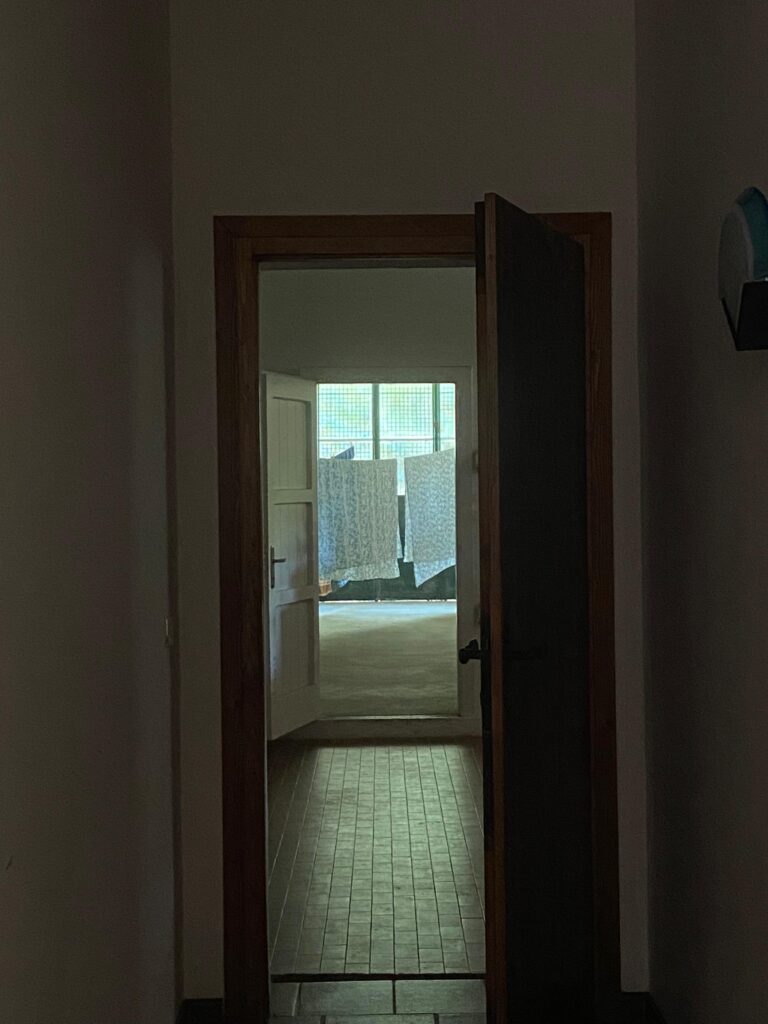
The most interesting flats are those of strangers. I used to pick up items from eBay, old furniture people were giving away for free. When they opened the door and let me in, even for a few minutes, I became a detective of some sort, collecting clues. If someone is giving away two kitchen chairs, does it mean that a person has recently left and they no longer need them for shared meals? Why is the television on at eleven in the morning? Is there a reason the Christmas tree is still standing in the middle of March? I try to notice everything.
I once had a temporary job with a large real estate agency where I visited hundreds of apartments and conducted a major survey. What fascinated me was how many people live in the same building, in almost identical spaces, yet shape them in completely different ways. Their cultural backgrounds influence how they arrange their homes and how they decorate. The more people share an apartment, the more its rooms transform. During one interview, an old couple told me they had lived in their building for forty-five years, that their children had moved out, and that they would die there. They said it quite plainly. There is something deeply romantic about spending your whole life in one home, but there is also something heavy about it.
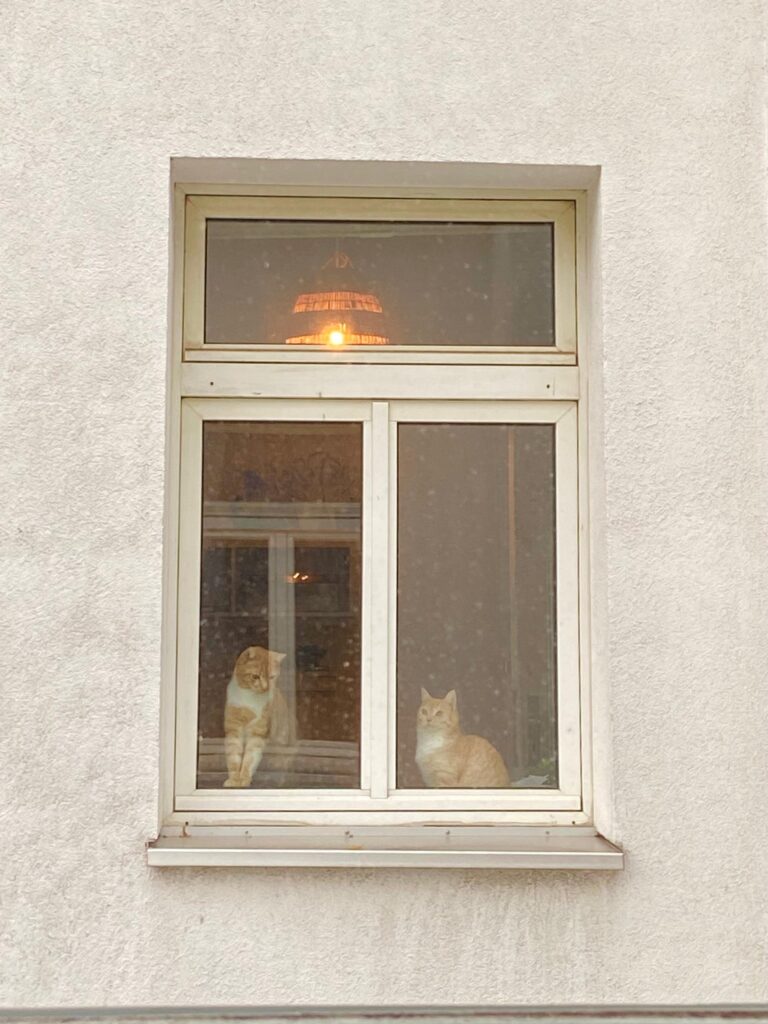
When I look at a stranger on the tram, I wonder about their homes. Do you have a picture of your mother in your apartment? Do you keep books on a shelf, and are they arranged by color? Do you own board games, and where do you store them? Each small detail forms a person, and I collect these fragments. My map keeps growing as I get older, and it changes along with me.